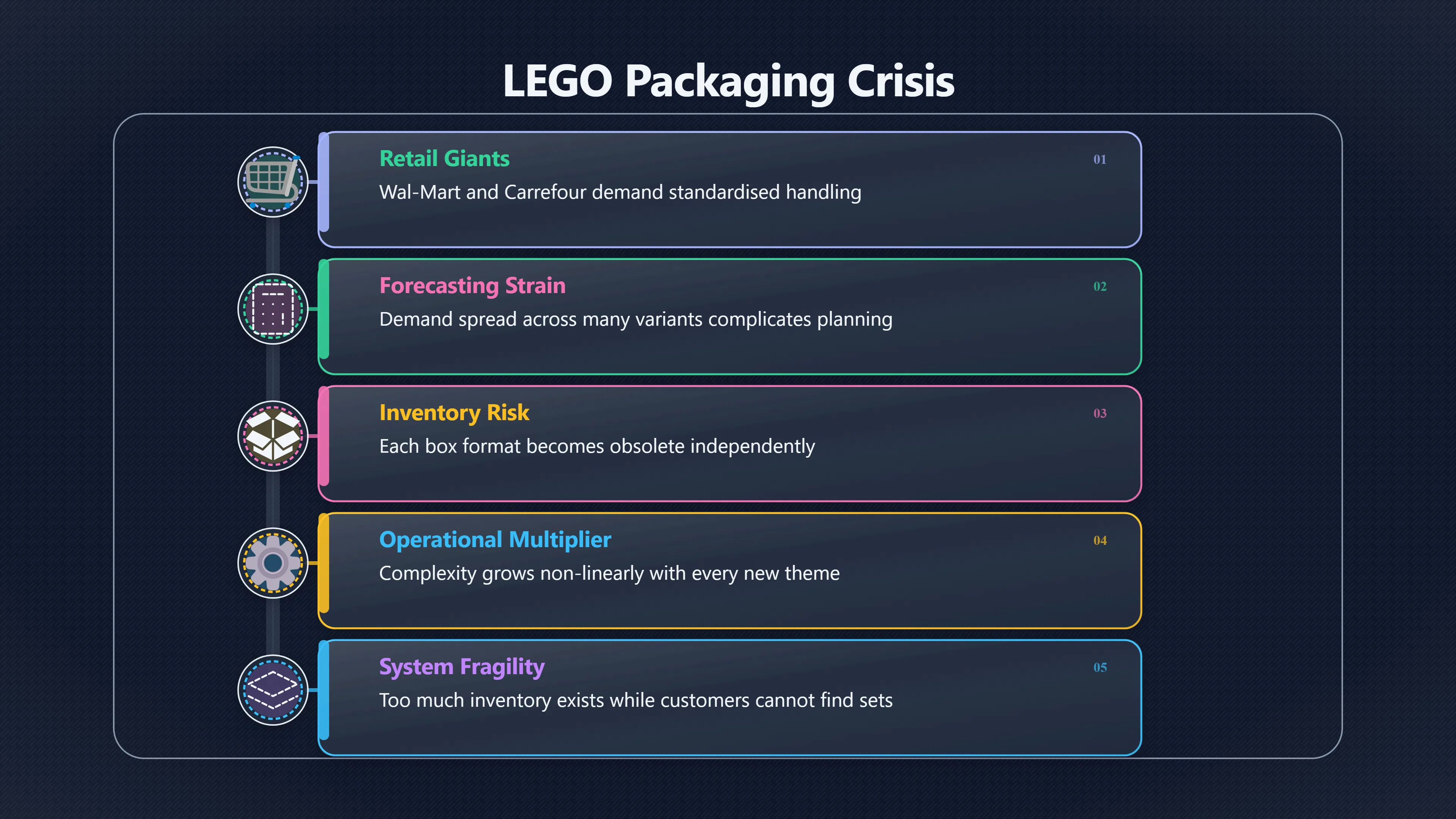
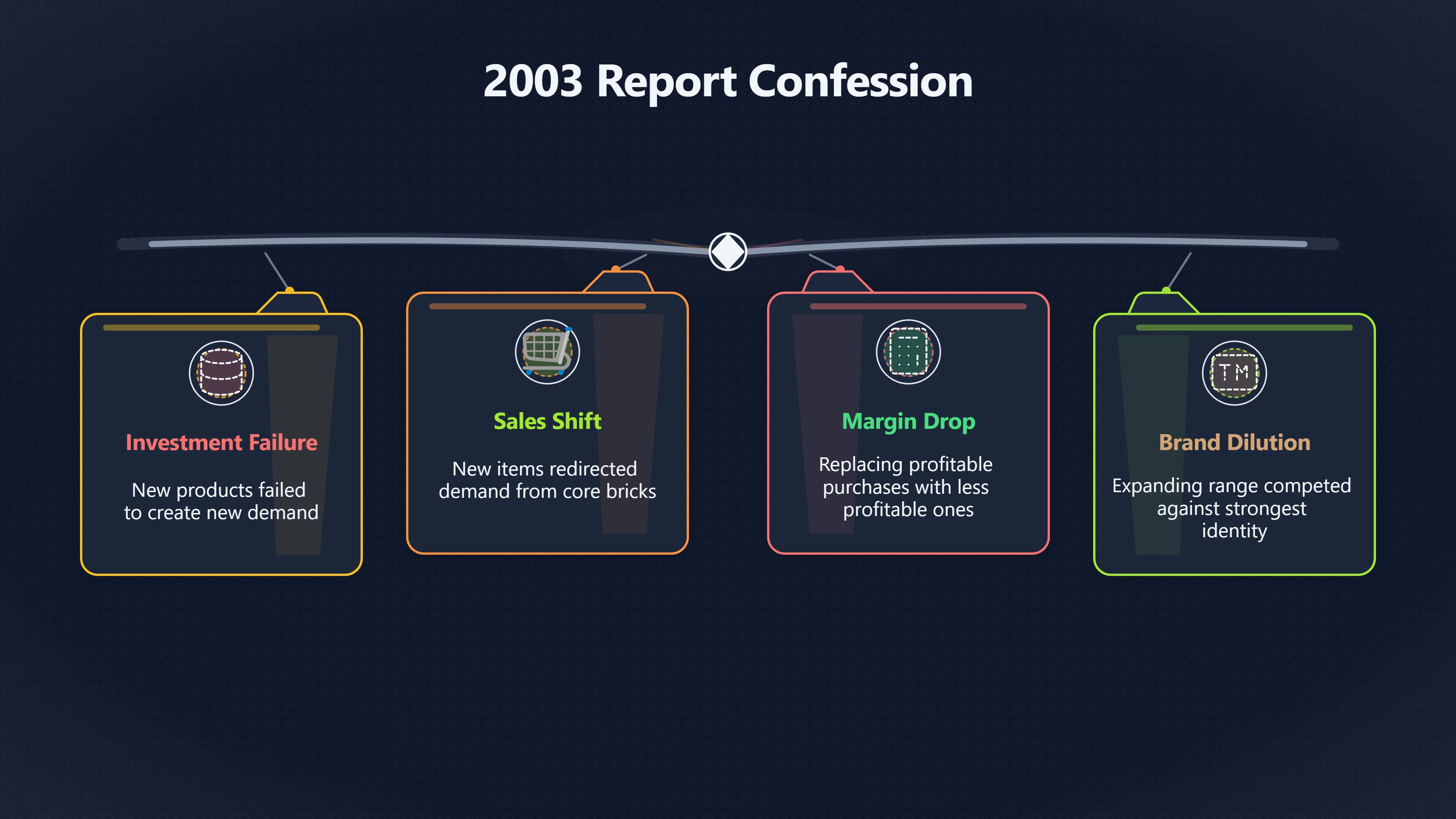
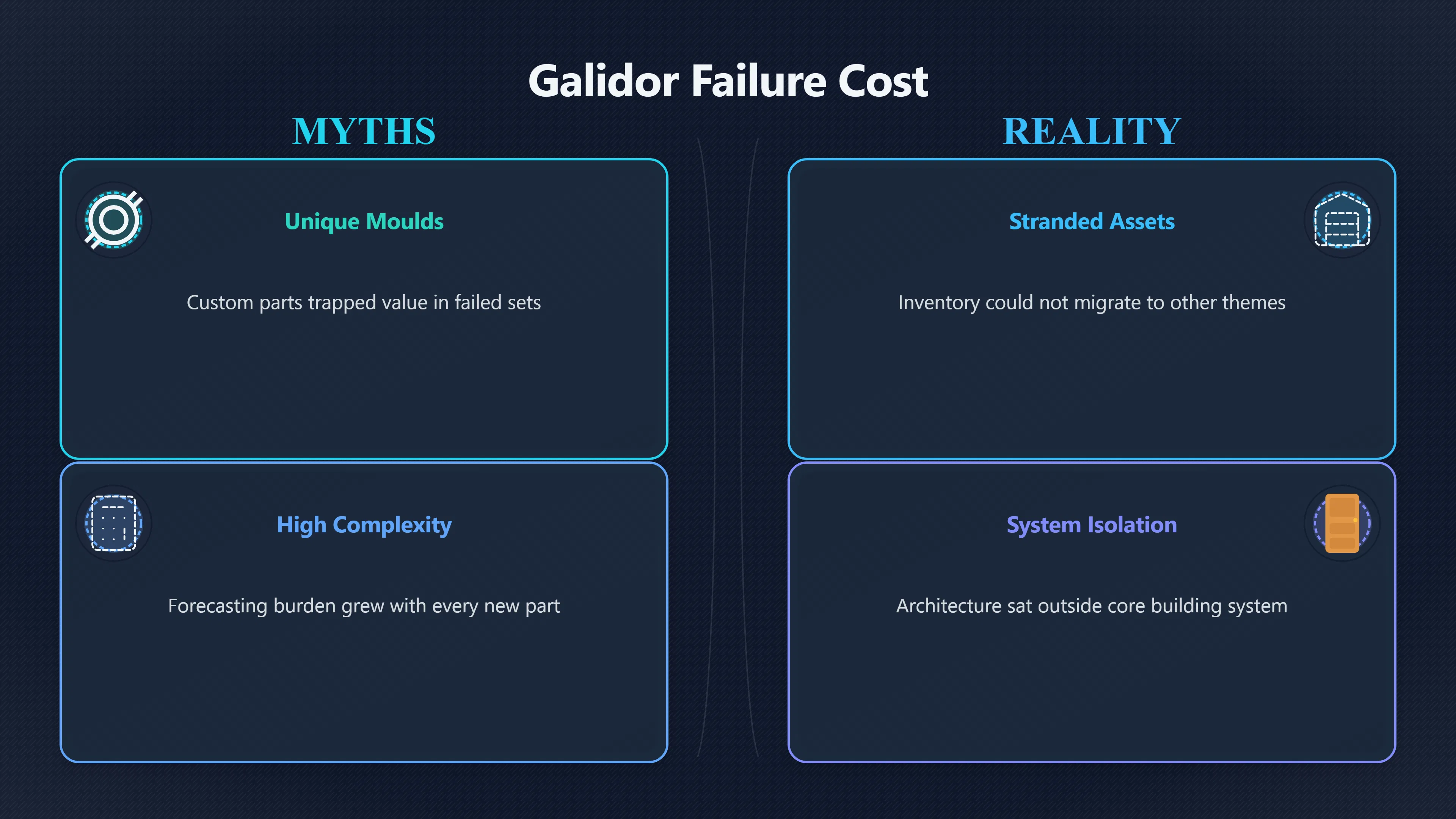
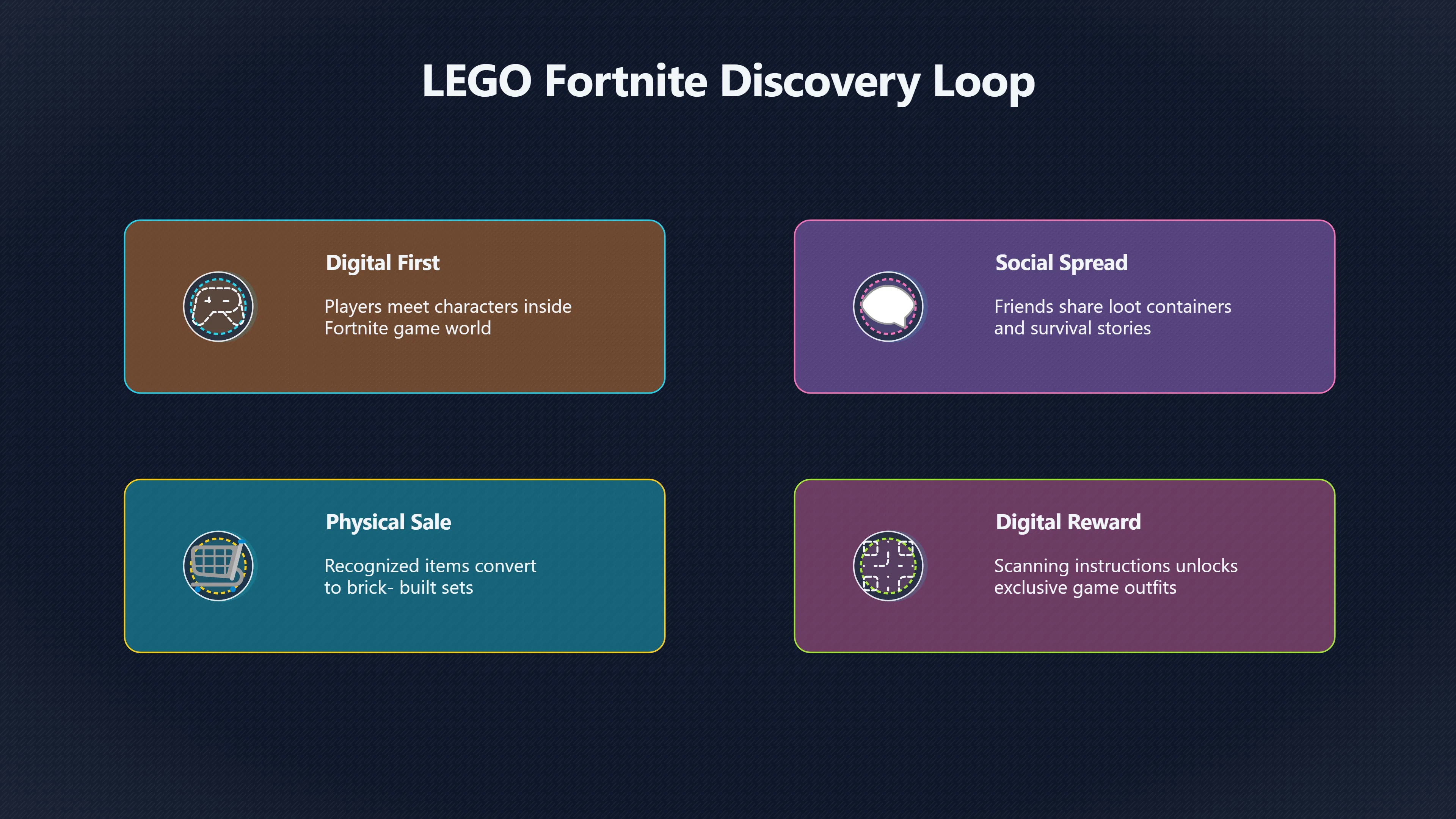
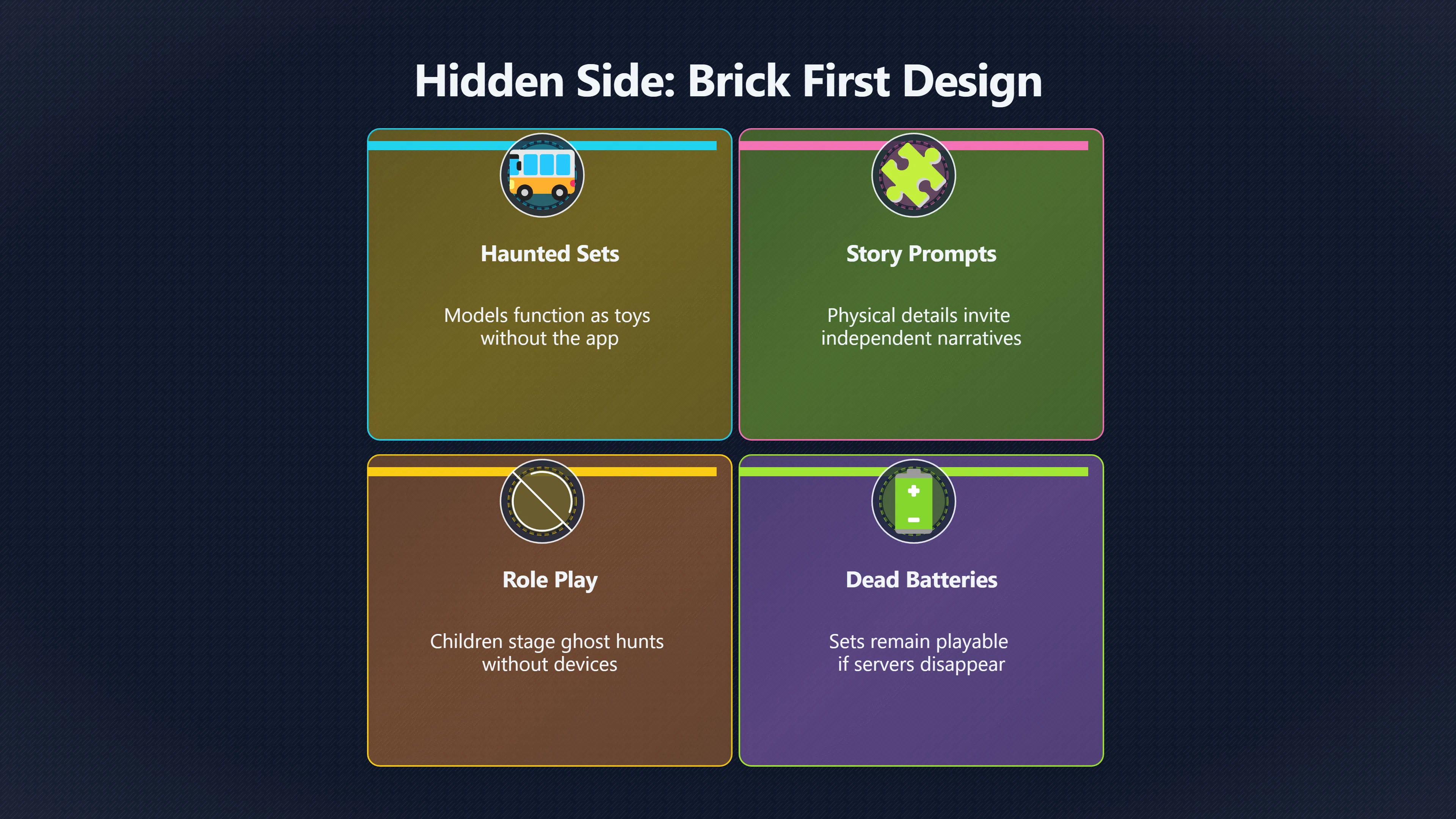
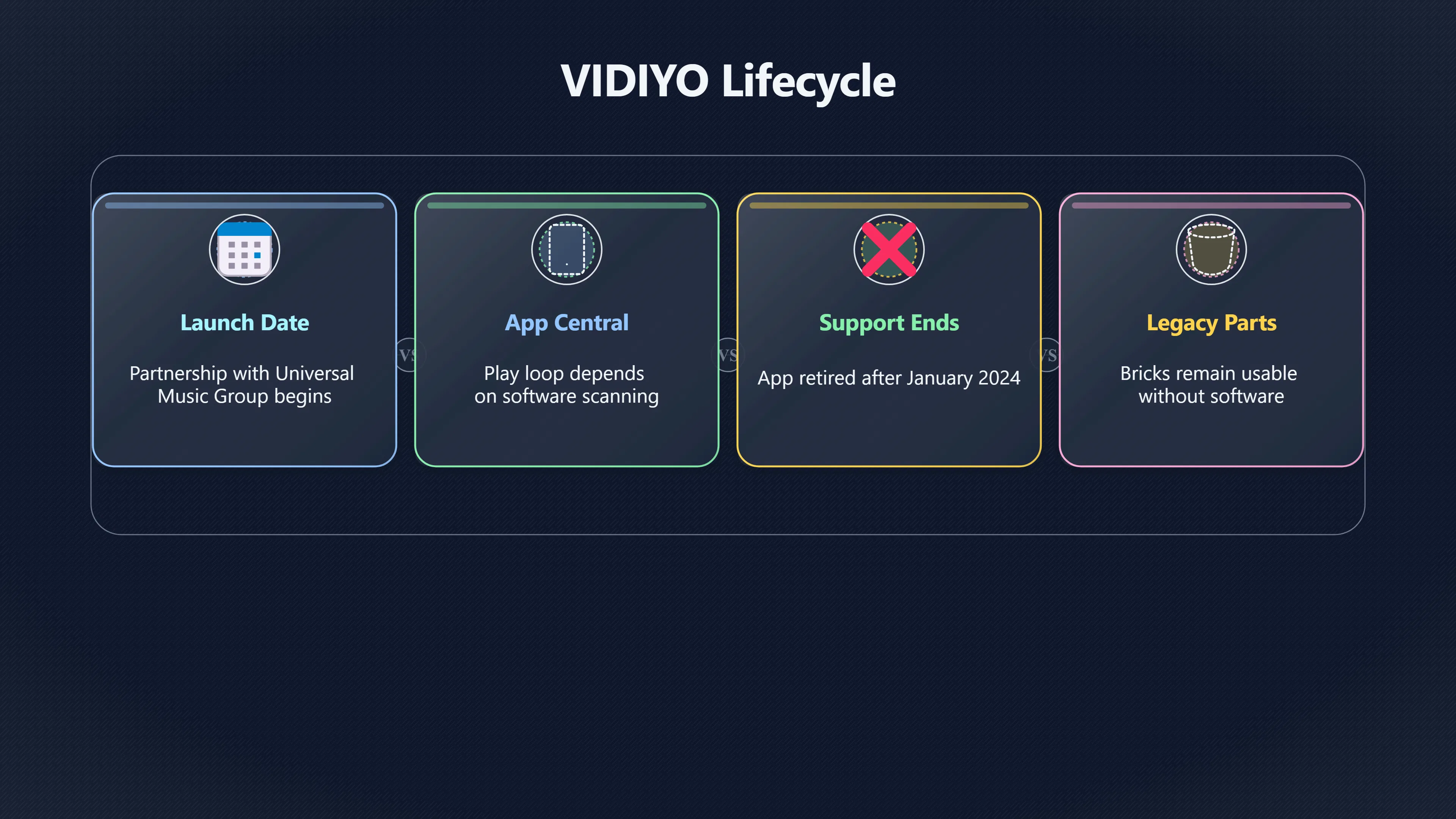
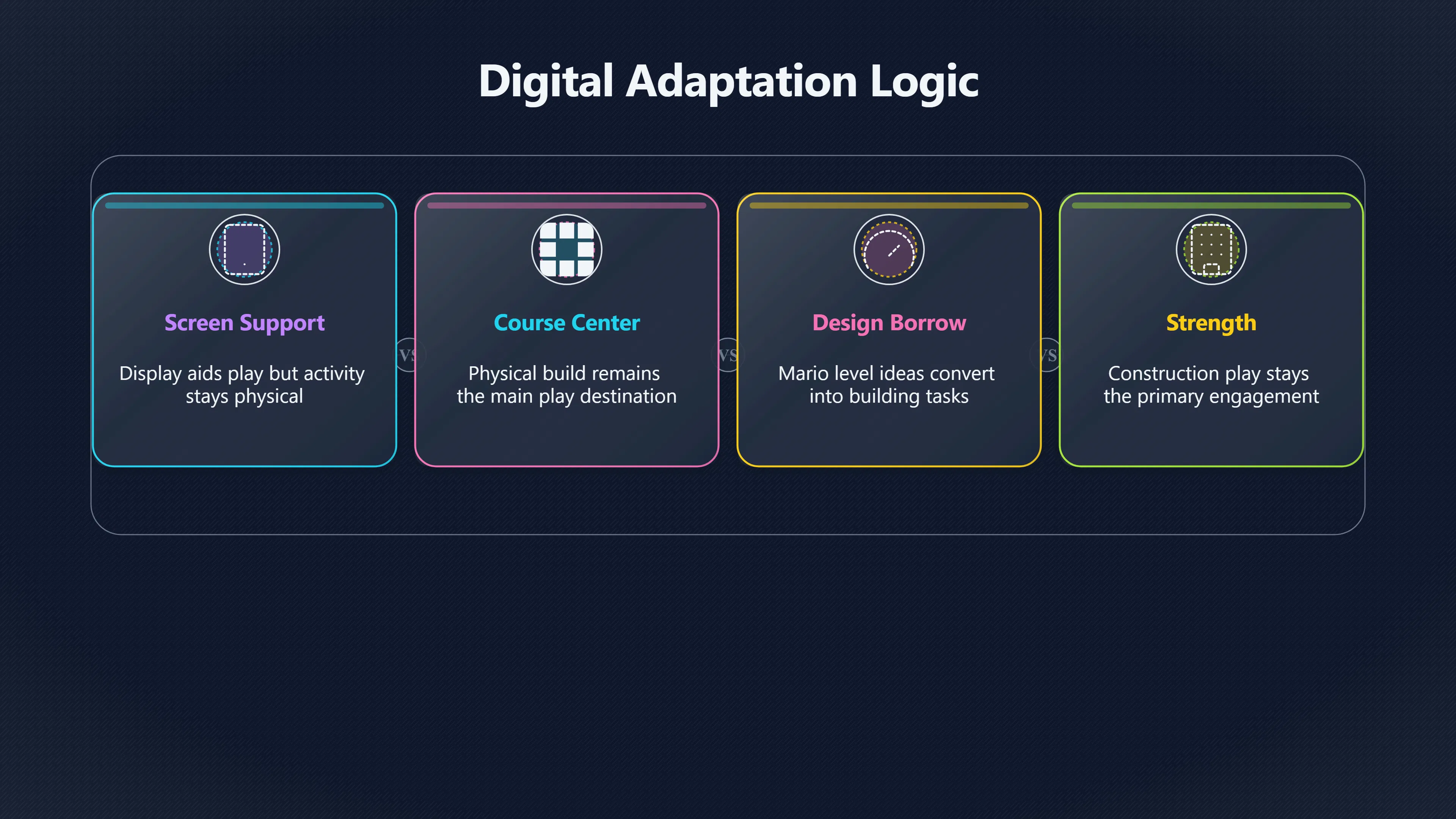
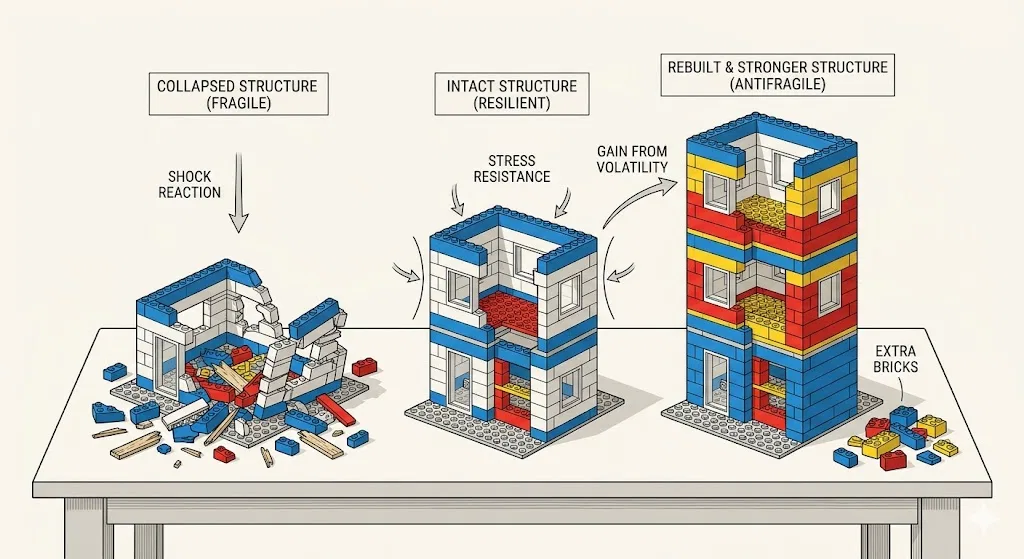
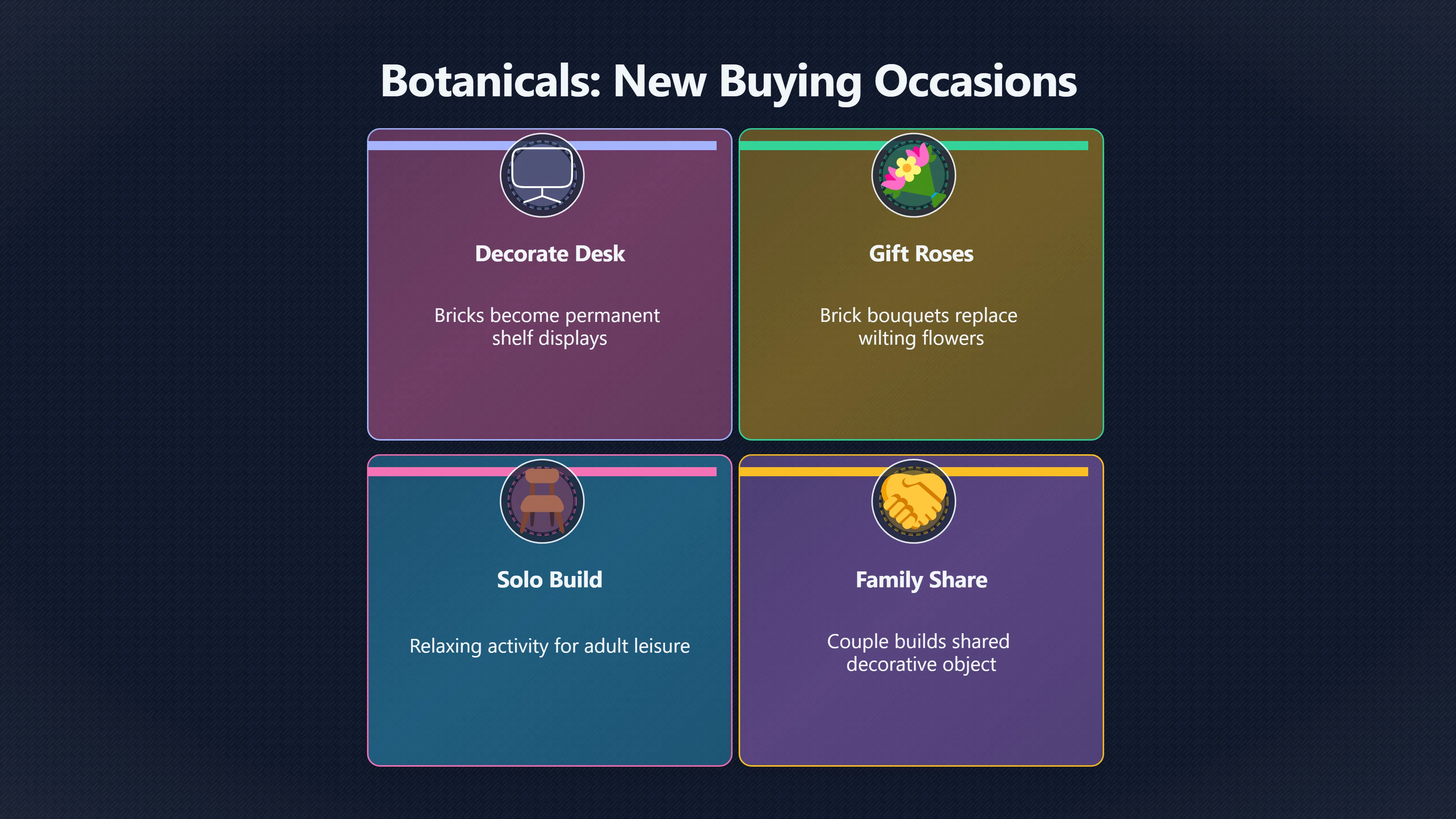
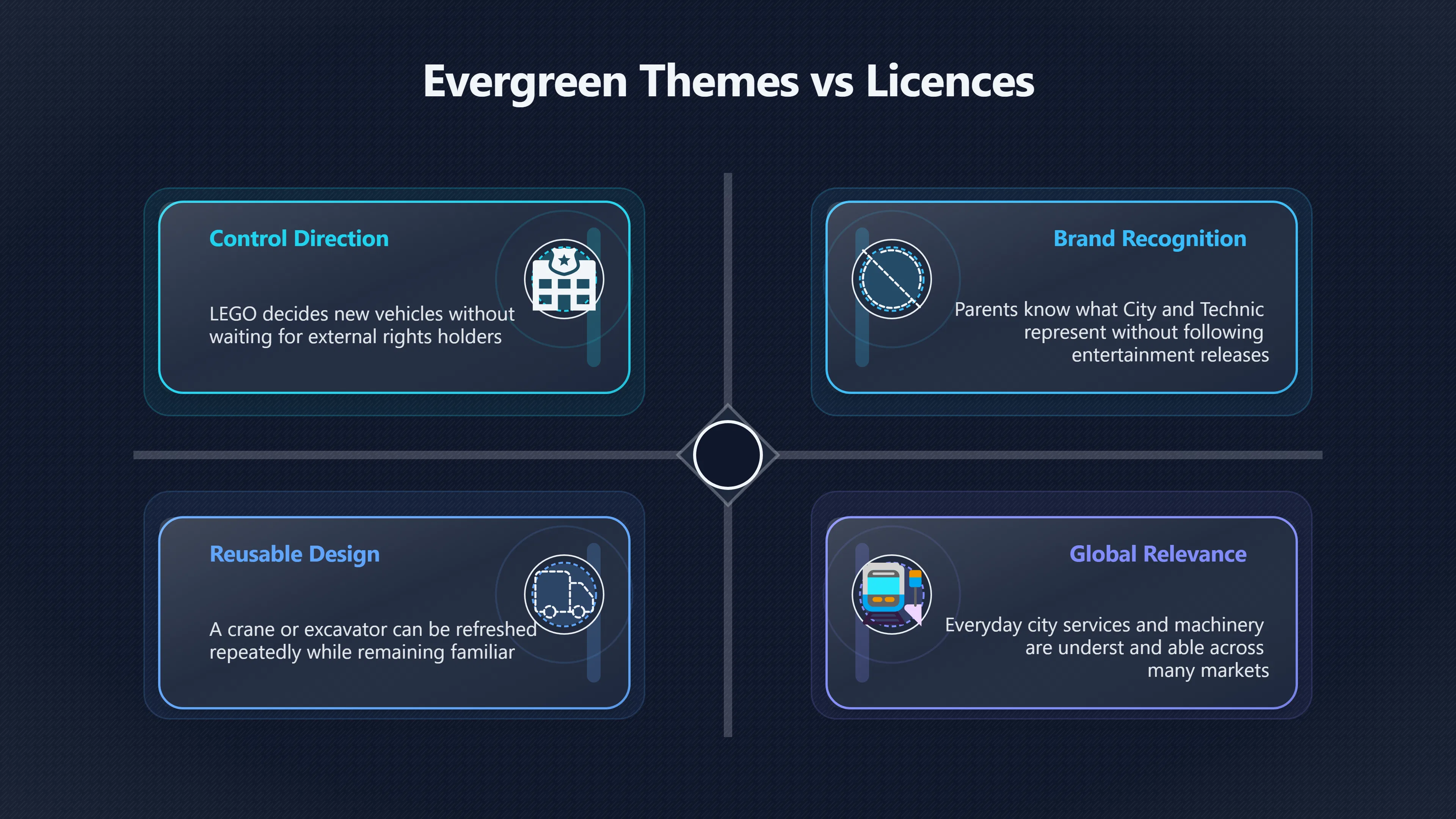
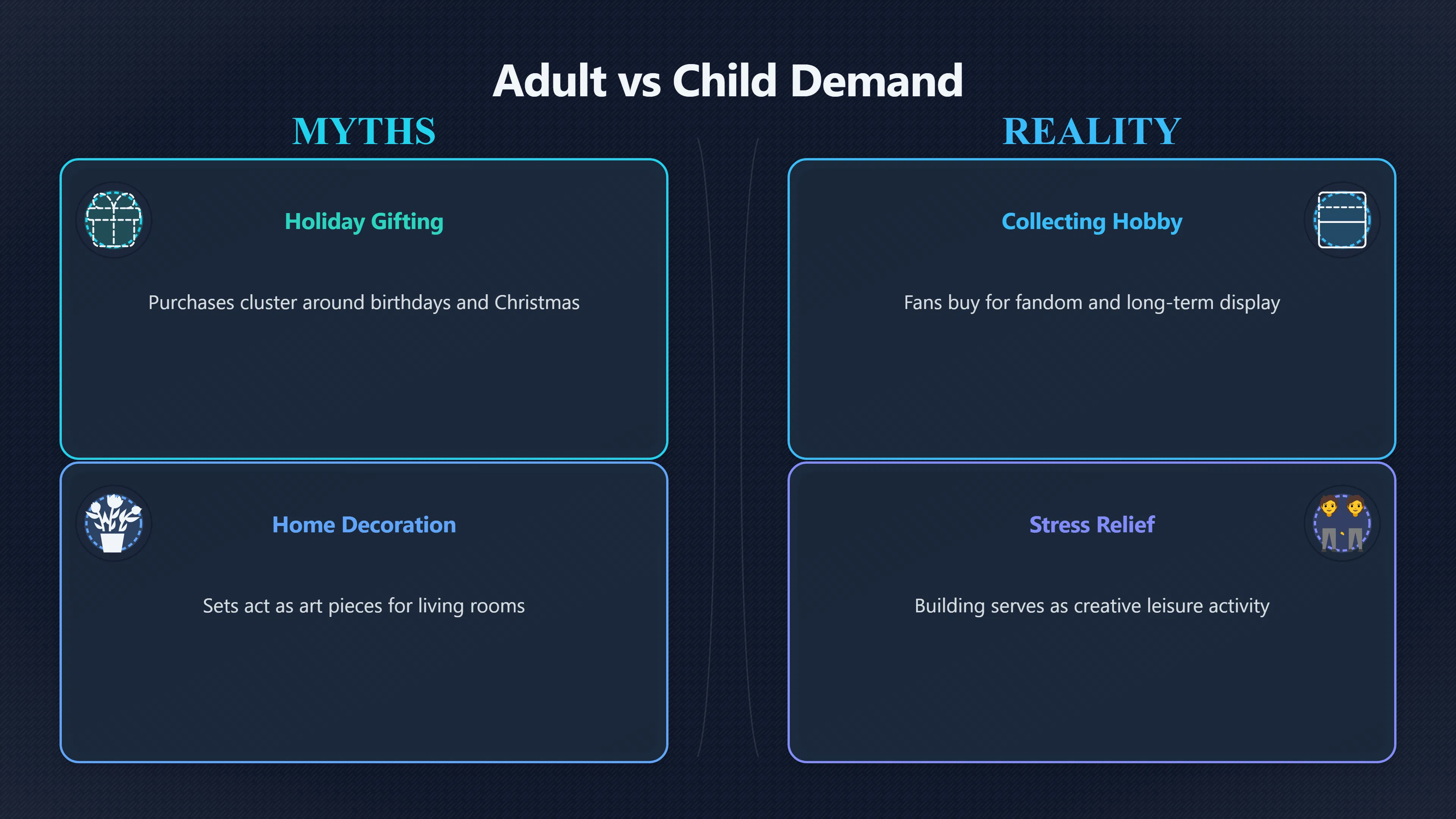
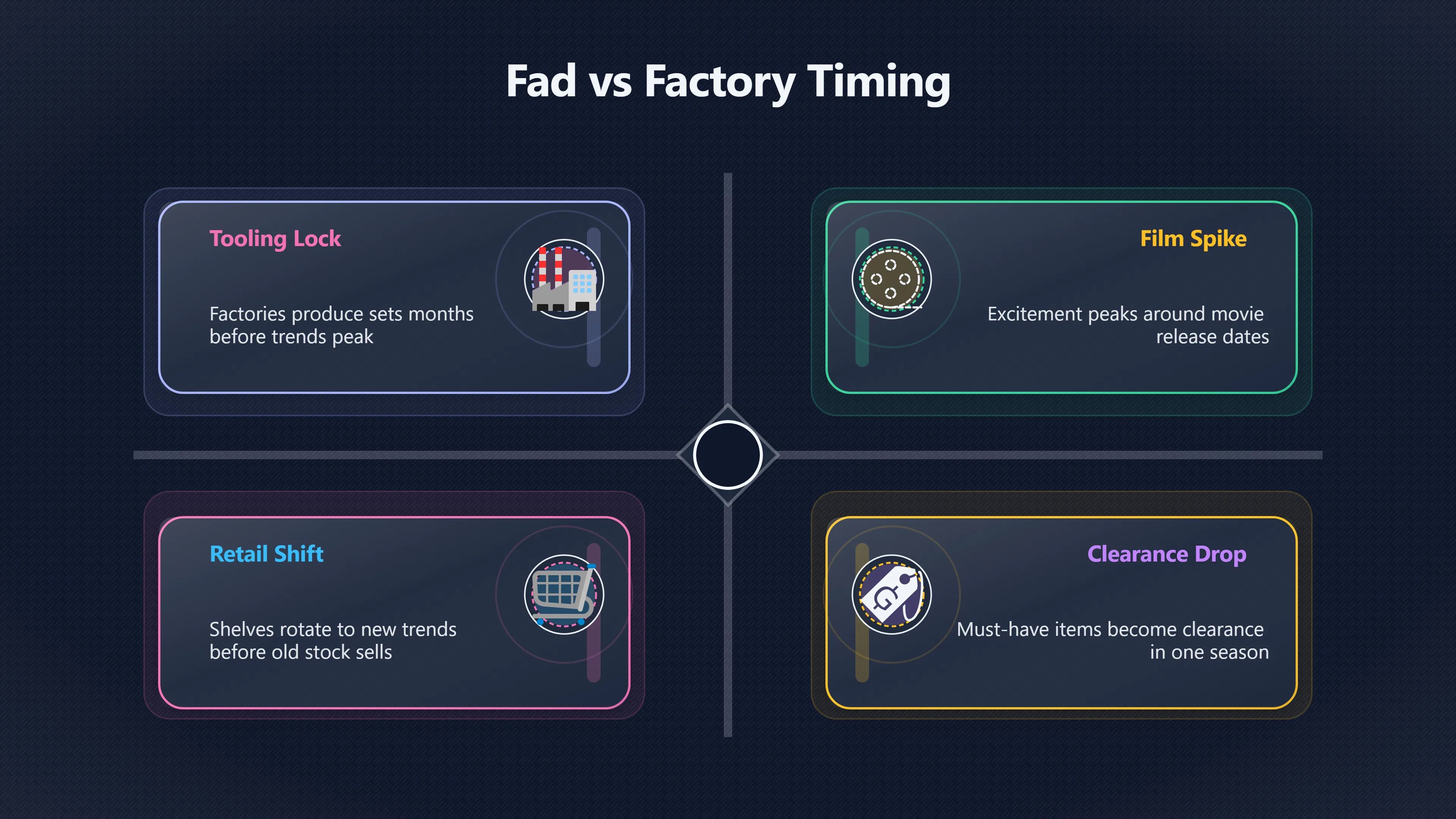
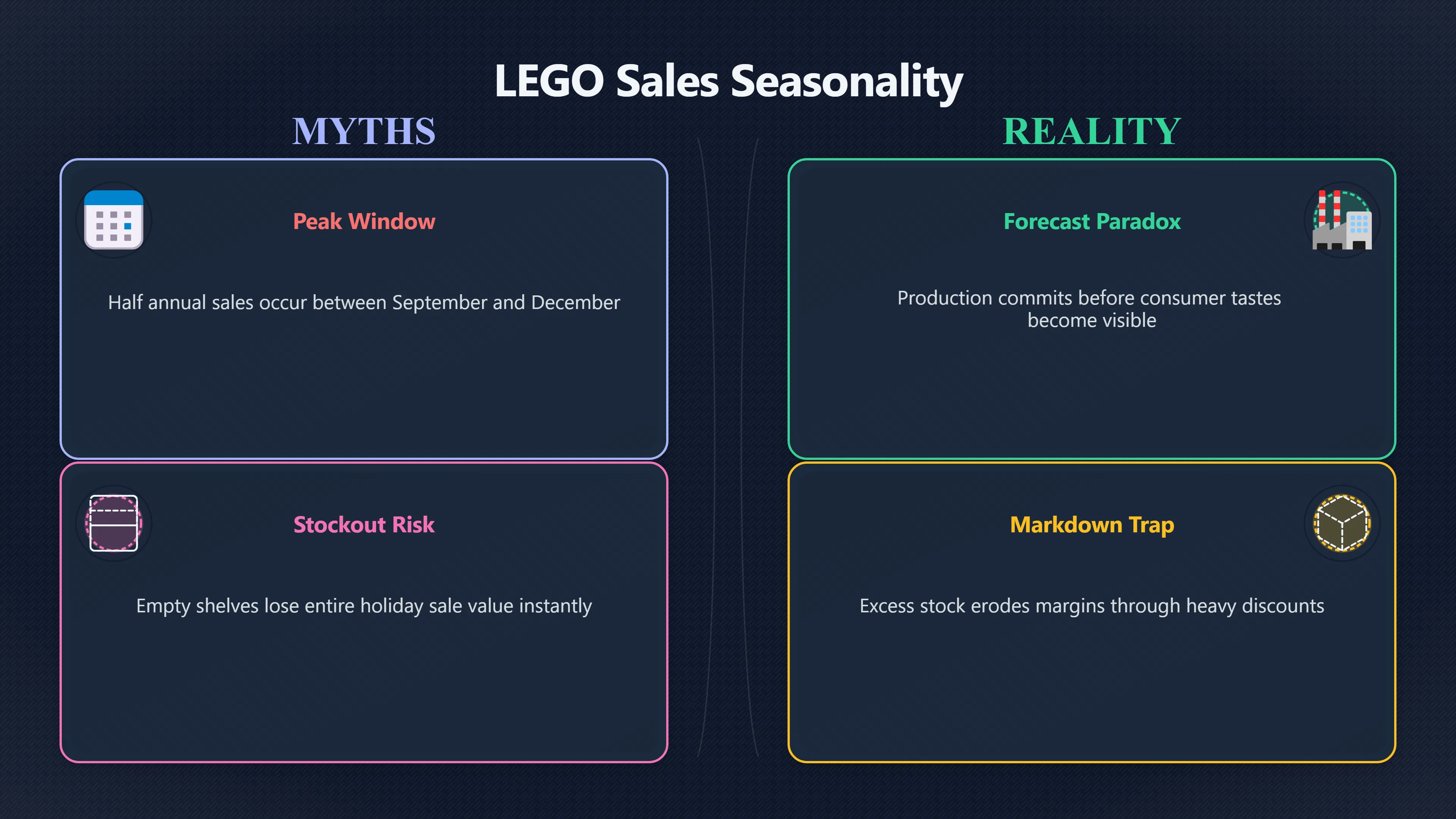
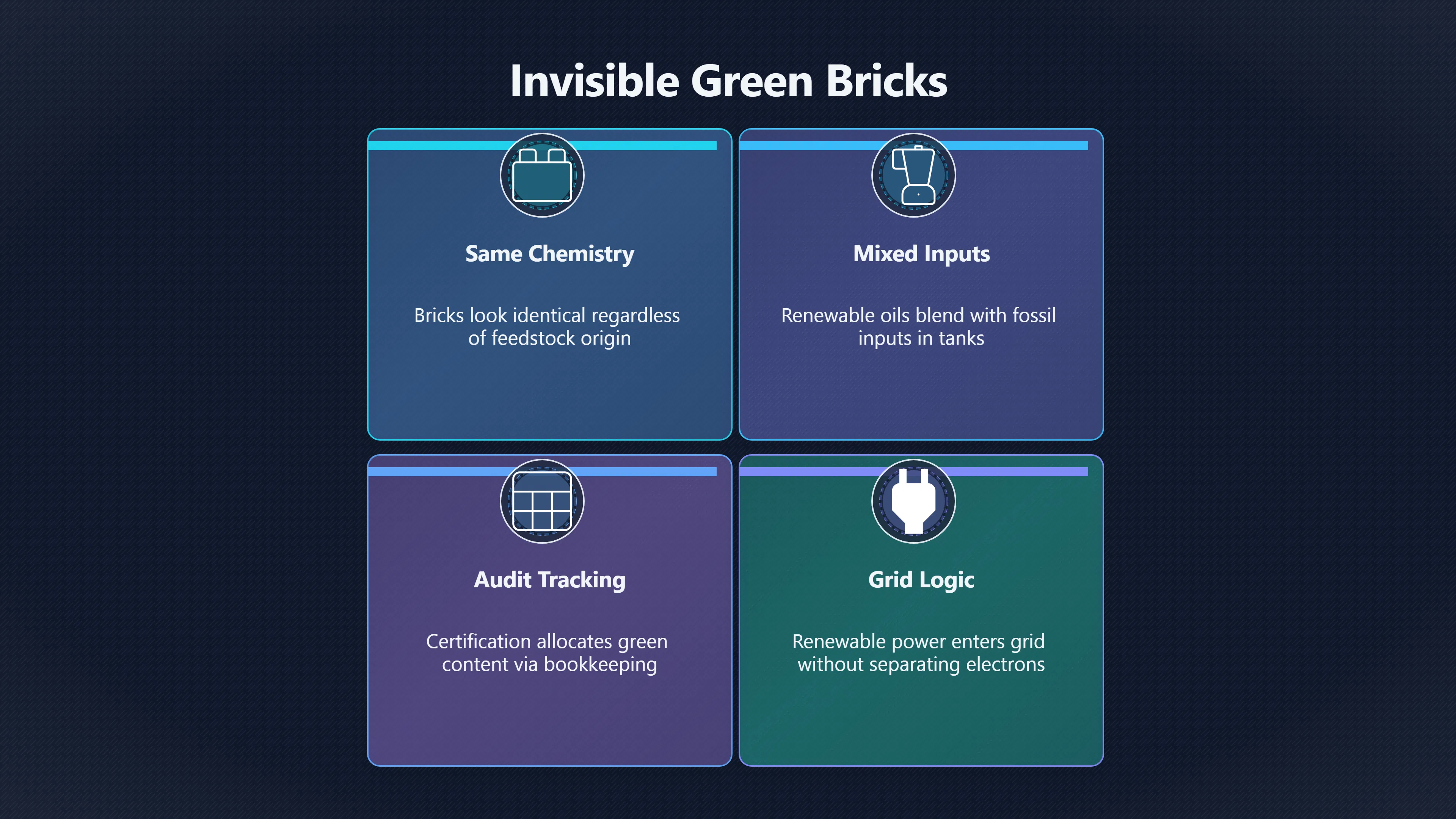
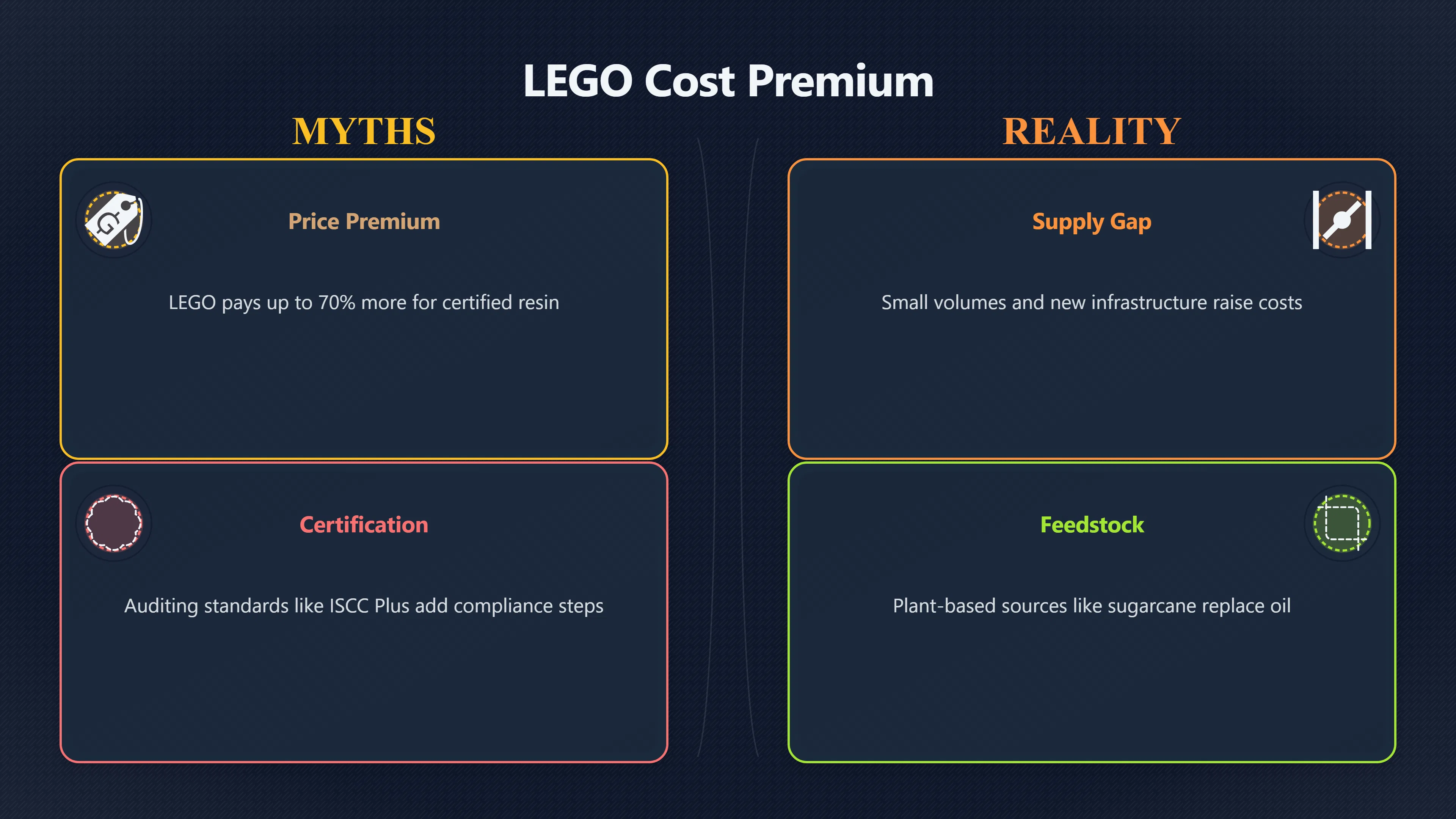
Expand all Collapse all LEGO Antifragility How Did LEGO Become Stronger After Crisis? Antifragility means more than surviving a shock. In Nassim Nicholas Taleb’s sense, a fragile system is harmed by volatility, a resilient system withstands it, and an antifragile system improves because stress exposes weakness, creates learning, and opens better options. 91 pages Read more Adult Sets Why Adults Became Central to LEGO Growth Adult display sets widened LEGO's audience and gave the company more ways to grow when children's toy demand shifts. 6 pages +Show subtopics Read more Kidult Demand Can adult buyers steady LEGO's growth? Teen and adult toy spending gives LEGO a second demand base when birth rates, budgets and children's trends become less reliable. Read more Decor Sets How LEGO found buyers beyond fandom Decor-focused adult sets show how LEGO can enter homes through gifting and interior style rather than nostalgia or franchise loyalty alone. Read more Mindful Build Why adults build LEGO to unwind LEGO's adult marketing turns building into a calming, screen-light ritual as well as a route to a finished object. Read more Price Ladder Why adults pay more for LEGO Adult LEGO lets the same brick system support small gifts, mid-priced displays and large collector models without becoming a different product. Read more Display Value Why LEGO became something adults display Adult display sets make LEGO valuable as shelf decor, fandom expression and finished craft, not only as a toy for play. Read more Brick System Why the Brick Became LEGO's Best Constraint The brick gave LEGO a clear test for innovation: new ideas had to strengthen the reusable building system. 6 pages +Show subtopics Read more LEGO Ideas How Fans Build Inside LEGO's Rules LEGO Ideas lets fans propose wildly different models, but only ideas expressed in buildable LEGO language can become products. Read more 2004 Refocus When LEGO Learned What Not to Build LEGO's crisis-era refocus showed that innovation had to strengthen the brick system rather than create fragile distraction. Read more Materials Why Greener LEGO Bricks Are So Hard LEGO's recycled-plastic brick reversal shows why greener materials must preserve durability, clutch power and long-term reuse. Read more Modulars Why LEGO Modular Streets Keep Growing LEGO modular buildings show how one set can gain value by connecting physically and visually to a growing street. Read more Compatibility Why Old LEGO Bricks Still Matter LEGO's long-term compatibility turns every old brick, set and building habit into added value for the next product. Read more Complexity When More LEGO Products Made LEGO Weaker Too many parts, lines and adjacent activities made LEGO harder to run until the crisis forced simplification. 6 pages +Show subtopics Read more Packaging Drag The Hidden Cost of Too Many Boxes Thousands of product and packaging variations made LEGO harder to forecast, supply and sell reliably through major retailers. Read more Cannibalisation When More LEGO Products Hurt the Core LEGO's 2003 report showed that more products could weaken the company when new lines stole demand from the brick system. Read more Partner Shift Why LEGO Did Not Need to Do Everything Moving non-core digital projects to partners let LEGO keep adjacent opportunities without carrying every capability internally. Read more The Short Lived Replacement Of DUPLO With LEGO... Why Replacing DUPLO Made LEGO Less Clear The failed LEGO Explore rename showed how a broader product idea can become less useful when customers lose the clear entry point. Read more Special Parts Why Some LEGO Failures Left More Waste Specialised pieces and non-standard assumptions made failed experiments harder to absorb than ordinary brick-based misses. Read more Crisis Test What LEGO's Crisis Revealed About Fragility LEGO's near-collapse exposed the fragile choices that later made its recovery more disciplined and focused. 6 pages +Show subtopics Read more Faster Cycles How LEGO Learned to Move Faster LEGO's move from long development cycles toward faster decisions helped it learn from retailers, consumers and inventory problems sooner. Read more Action Plan How LEGO's 2004 Reset Changed Everything The 2004 Action Plan turned LEGO's survival response into a stricter system for cutting costs, reducing risk and protecting the core brick business. Read more Licensing Risk The Hidden Risk in LEGO Movie Tie Ins Film tie-ins helped LEGO grow, but weak movie cycles exposed the danger of relying on demand the company could not control. Read more Product Sprawl When LEGO Innovation Became Too Much LEGO's crisis showed how too many formats, lines and side ventures can turn innovation into operational fragility. Read more LEGOLAND Sale Why LEGO Let Go of LEGOLAND Parks Selling the capital-heavy LEGOLAND Parks helped LEGO release cash, cut fixed expenses and protect the play-materials business. Read more Digital Play Can LEGO Adapt Without Losing the Brick? LEGO's digital experiments show how the company can follow changing play habits while testing what still fits the brick system. 6 pages +Show subtopics Read more SPIKE sunset Can a LEGO robot outlive its software? SPIKE shows the more responsible version of digital sunset planning, but it still proves that connected LEGO has an expiry risk bricks do not. Read more Fortnite Can Fortnite make LEGO more resilient? LEGO Fortnite shows the upside and dependence risk of using a massive game world to create demand for physical sets. Read more Hidden Side Did Hidden Side keep the brick first? Hidden Side tested whether augmented reality could enrich role play without turning the physical model into a mere app accessory. Read more VIDIYO What happens when a LEGO app disappears? VIDIYO shows how a LEGO set can lose much of its intended experience when the app that animates it is retired. Read more Super Mario Why Super Mario makes digital LEGO sturdier LEGO Super Mario offers a stronger hybrid pattern because the screen supports course building rather than becoming the whole product. Read more Failed Bets What LEGO's Failed Bets Taught the Company LEGO's failed or weak adjacent ventures show how growth can become fragile when it drifts too far from the core. 6 pages +Show subtopics Read more Clikits Risk The Problem With Turning LEGO Into Fashion Clikits tried to reach girls through accessories and decoration, but fashion-led play made LEGO more exposed to short taste cycles. Read more System Fit The Test LEGO Learned From Its Flops The crisis forced LEGO to ask whether a new idea merely carried the name or actually strengthened the reusable brick system. Read more Park Strain When a Great Brand Experience Becomes Too Heavy LEGOLAND showed that a beloved brand experience can still strain a toy company when it brings asset-heavy operations into the core. Read more Story Test Why Bionicle Worked Where Galidor Struggled Bionicle showed that characters and mythology could strengthen LEGO play when the story still led back to building. Read more Galidor Media Why Galidor Needed Too Many Things to Work Galidor depended on television, characters and promotions working together, but the toys did not offer enough LEGO-style building depth. Read more Fan Signals How LEGO Fans Became a Market Sensor Adult fans and online builders gave LEGO a distributed way to spot ideas, enthusiasm and cultural shifts early. 6 pages +Show subtopics Read more Adult Fans How Adult Fans Changed What LEGO Could Sell Visible adult builders helped LEGO see demand for complex sets made for nostalgia, relaxation, collecting and home display. Read more Brick Link What Brick Link Revealed That Surveys Missed BrickLink revealed what adult fans actually bought, rebuilt and valued, giving LEGO behavior data that surveys could miss. Read more Vote Risk When Fan Excitement Can Mislead LEGO LEGO Ideas works best when 10,000 supporters start a review, not when fan enthusiasm is treated as proof of retail success. Read more Botanicals Why LEGO Flowers Reached New Builders The Botanical Collection showed how fan-visible adult demand could turn LEGO into decor, relaxation and gift products. Read more Minecraft Signal Why LEGO Minecraft Became a Demand Clue Minecraft's rapid fan vote showed how online enthusiasm could reveal a new LEGO audience before ordinary toy data caught up. Read more Framework Is LEGO Really Antifragile or Just Resilient? LEGO is strongest as an antifragility case when the claim is narrow: it learned from shocks, but did not become invincible. 6 pages +Show subtopics Read more Licensed Themes Do Licensed Themes Make LEGO Stronger? Licensed themes can create boom-and-bust demand, but LEGO uses them best when they extend the brick system rather than replace it. Read more Crisis Learning How LEGO's Crisis Became a Learning System LEGO's early-2000s crisis shows how financial stress exposed weak choices and forced a more disciplined operating model. Read more Limits Why LEGO Is Not Fully Antifragile LEGO gained adaptive strength after crisis, but Taleb's strict definition still leaves limits around shocks it cannot turn into gains. Read more Brick Optionality Why LEGO's Bricks Create Business Options LEGO's modular brick system gives the company room to launch new themes without abandoning the same underlying play platform. Read more Overexpansion Why LEGO's Expansion Made It Fragile LEGO's move into scattered non-core ventures made the company harder to manage and more exposed when demand shifted. Read more Governed Bets How LEGO Learned To Make Safer Bets LEGO's stronger model came from experimenting with clearer rules, smaller losses and better links to the core business. 6 pages +Show subtopics Read more LEGO Games The Board Games That Tested Safer Innovation LEGO Games tested board-game play while keeping building, components, communities, and launch responsibility inside a governed system. Read more LEGO Universe What LEGO Learned From a Digital Failure LEGO Universe was costly, but its shutdown clarified the risks of online worlds, child safety, partnerships, and unproven revenue models. Read more Galidor Risk When Did LEGO Stop Feeling Like LEGO? Galidor became a warning that novelty could weaken LEGO when a product stretched too far from buildable, modular play. Read more Innovation Board Who Decided Which LEGO Ideas Survived? LEGO's turnaround depended on making new ideas answer to strategy, resources, and measurable results before they grew too large. Read more Clikits Fit Why LEGO's Craft Bet Did Not Stick Clikits showed that reaching new audiences was not enough if the product did not create durable demand inside LEGO's system. Read more LEGO Ideas Why LEGO Ideas Is Not Just Crowdsourcing LEGO Ideas turns fan proposals into options, but LEGO still filters them for safety, fit, licensing and commercial promise. 6 pages +Show subtopics Read more Fan Demand How Fans Show LEGO What It Missed LEGO Ideas helps LEGO spot adult fan interests, from display models to nostalgic licences, before committing full product resources. Read more Options How LEGO Turns Fan Chaos Into Options LEGO Ideas creates many low-cost product options while allowing LEGO to accept, delay or reject each one after review. Read more Review Gate What Happens After a Fan Model Wins LEGO Ideas review tests whether an attractive fan build can become a safe, enjoyable and commercially realistic retail set. Read more 10 000 Votes Why 10,000 Votes Are Not Enough The 10,000-supporter milestone is a demand signal, not a promise that LEGO will manufacture the fan model. Read more Licensing Why Some Popular LEGO Ideas Cannot Win Licensing limits stop LEGO Ideas from becoming a wish list of brands LEGO cannot legally or strategically make. Read more Licensed Themes How LEGO Turns Franchises Into Bricks Licensed sets let LEGO absorb popular culture into the brick system without abandoning its core play pattern. 6 pages +Show subtopics Read more Super Mario How LEGO made Mario playable in bricks LEGO Super Mario worked because it translated video-game behaviour into brick-built courses rather than treating Mario as static merchandise. Read more Fortnite When a LEGO game becomes a toy line LEGO Fortnite shows licensing moving both ways, with a digital play space creating new material for physical LEGO products. Read more Theme Mix Why LEGO does not live on licences alone LEGO's strongest portfolio is not purely licensed or purely original; it mixes external attention with durable in-house themes. Read more Star Wars Why LEGO Star Wars keeps coming back LEGO Star Wars shows how one licence can keep renewing itself through films, series, collectors, fan events and milestone releases. Read more Brick Fit Why licensed LEGO still feels like LEGO Licensed themes work best when outside characters and worlds still obey LEGO's core rules of building, compatibility and recombination. Read more Portfolio How LEGO Built More Ways To Grow LEGO's mix of children, adults, licenses, original themes and retail channels gives it more ways to handle market shifts. 6 pages +Show subtopics Read more Botanicals How LEGO Botanicals Found New Buyers Botanicals show how the same brick system can create new buying occasions around decor, relaxation and seasonal gifting. Read more Evergreen Themes The Quiet Power of LEGO's Evergreen Themes City and Technic help LEGO keep selling even when a licensed entertainment property cools or release cycles slow. Read more Complexity Risk When More LEGO Sets Become a Risk A bigger range can absorb market shocks, but only if forecasting, factories, inventory and licensing remain disciplined. Read more Adult Buyers Why Adults Became LEGO's Demand Cushion Adult collectors, decorators and gift buyers give LEGO demand triggers that are not tied only to children's toy cycles. Read more How LEGO s Why LEGO Needs More Than Toy Shelves LEGO’s portfolio breadth only becomes commercially useful if customers can actually encounter that variety. Read more Recent Results What Recent LEGO Results Really Prove LEGO's recent results show strong market-share gains, but also reveal margin pressure and the limits of easy growth. 6 pages +Show subtopics Read more Market share How LEGO grew while toys slowed LEGO's 2023 and 2024 results show how a company can grow faster than its market when demand is under pressure. Read more China risk The regional weakness LEGO could not ignore LEGO's difficult China performance shows how global outperformance can hide regional strain. Read more Profit dip The warning inside LEGO's strong year LEGO's 2023 profit decline shows that resilience can involve costly investment rather than effortless growth. Read more Investment Why LEGO kept spending during pressure LEGO's continued spending on sustainability, digital technology and capacity shows how resilience can fund future options. Read more Portfolio Why LEGO's range became a shock absorber LEGO's mix of children's sets, adult builds and major licenses gave it several ways to find demand during weak toy years. Read more Seasonality Why Toy Seasonality Tests LEGO's Strength Heavy holiday-season demand makes toys volatile, forcing LEGO to manage timing, inventory and trend risk carefully. 6 pages +Show subtopics Read more Portfolio Mix Can More LEGO Sets Mean Less Seasonal Risk? A wide mix of themes, ages and price points can reduce LEGO's dependence on one perfect holiday winner. Read more Adult Gifting How LEGO Finds Gift Moments Beyond Christmas LEGO Botanicals, Formula 1 activations and adult-focused sets create demand moments outside the holiday quarter. Read more Toy Fads When Fads Move Faster Than Factory Plans Fads can make a toy theme rise and fade quickly, forcing LEGO to refresh products without losing the value of its brick system. Read more Holiday Risk Why Christmas Makes Toy Forecasts So Fragile Holiday toy sales punish both empty shelves and overstock, making December a high-stakes test of LEGO's planning discipline. Read more Regional Supply Why Nearby Factories Matter Before Christmas Factories and distribution centres closer to key markets can reduce the penalty when LEGO demand shifts late in the year. Read more Sustainability Where LEGO's Antifragility Hits Hard Limits Plastic materials and sustainability goals show that LEGO's antifragility has real limits outside product creativity. 6 pages +Show subtopics Read more Mass Balance Can a Greener Brick Look Exactly the Same? Mass balance lets LEGO buy more renewable feedstocks, but it also creates a trust problem because greener content may not be visible in any one brick. Read more Cost Pressure Who Pays for Greener LEGO Bricks? LEGO's private ownership and premium brand give it room to pay more for renewable resin, but cost absorption is not the same as easy transformation. Read more Packaging Why LEGO Bags Can Change Before Bricks LEGO can redesign bags and boxes faster than brick materials because packaging surrounds the product while plastic defines the product. Read more PET Failure Why Recycled Bottles Did Not Become Bricks LEGO's recycled bottle trial showed why a greener-looking material can raise emissions once additives, drying, and factory changes are counted. Read more Brick Clutch Why the LEGO Click Is Hard to Replace The famous LEGO click depends on precision, strength, safety, and ageing performance that many alternative plastics struggle to match. Read more Search pages Search topic, branch, or keyword... Scope 91 pages Search pages Clear